Wood Identifier
Wood Identifier — Identify Any Timber from a Photo
Free online wood identification. Upload a clear close-up of any wood surface and we’ll identify the likely species, family, and characteristics from the grain — covering the main domestic European hardwoods (oak, ash, beech, walnut, cherry, maple, sycamore, elm), North American species, tropical exotics (teak, mahogany, sapele, iroko, padauk, rosewood, ebony, wenge), and softwoods such as pine, spruce, cedar and Douglas fir.
Drop a wood photo here, or click to choose
Tap to take a photo or choose from gallery
Plain-grain close-up of unfinished wood works best. Any size — large images are auto-resized.
If the camera doesn’t open, try Safari, or upload from your camera roll.
Need a turned component in this species?
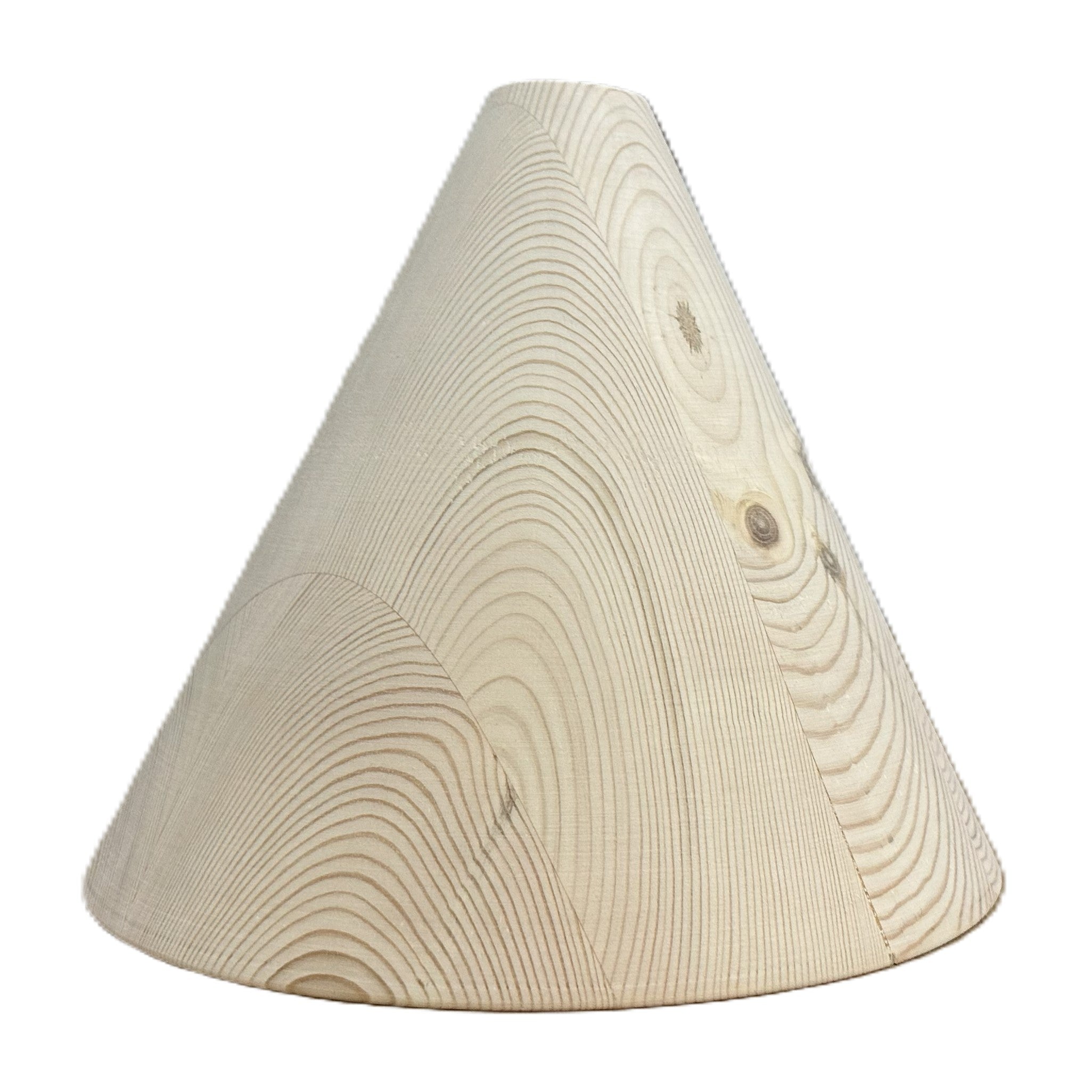
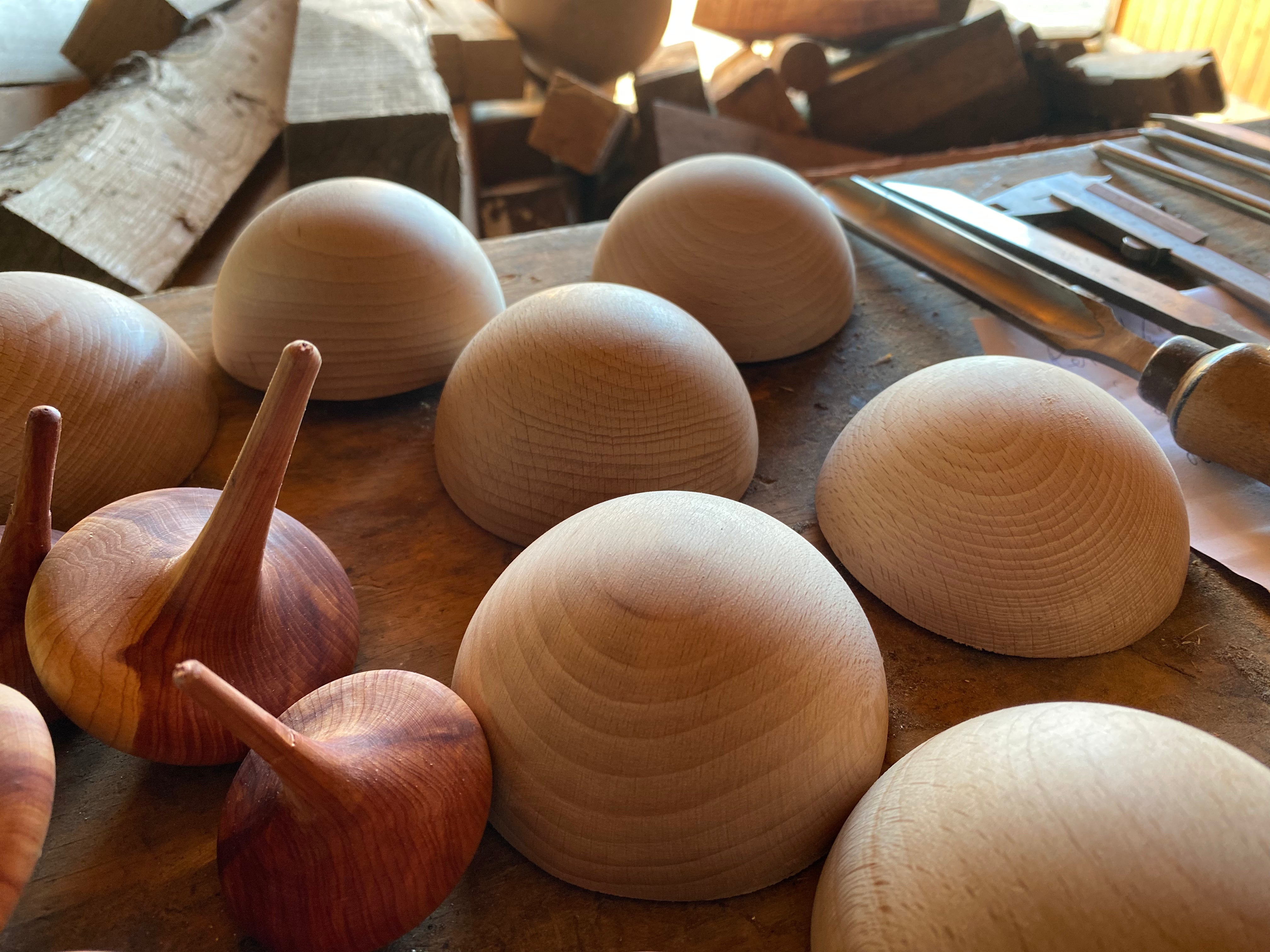
We turn spindles, newels, finials, balls, hemispheres, cones, plinths, table tops and architectural details to order in over 80 hardwoods and softwoods — including European Oak, English Walnut, European Ash, European Beech, Sycamore, Sapele, Iroko, Teak, and many tropicals on request.
Get a QuoteIdentifications are estimates from a single photo and should be treated as a starting point. For commercial timber grading, structural engineering, listed-building work, CITES-restricted species, or legal disputes, please confirm with a qualified timber merchant, dendrologist, or laboratory analysis. Photos uploaded to this tool are processed for identification only and not stored.

How wood identification works
Wood identification relies on a small number of macroscopic features that, taken together, point to a specific species or genus. The most diagnostic is pore distribution: ring-porous timbers (oak, ash, elm, sweet chestnut, hickory, mulberry) show large earlywood pores in distinct bands; diffuse-porous timbers (maple, birch, beech, cherry, walnut, sycamore, lime, most tropicals) have evenly distributed pores; semi-ring-porous species sit between the two.
Add to that ray pattern (oak’s broad medullary rays produce the unmistakable tiger stripe on quarter-sawn faces; sycamore has the largest rays of any temperate timber; maple’s rays are fine), heartwood and sapwood colour, grain direction, and figure, and most commercial timbers can be identified from a clear photograph of the grain.
Wood species the identifier can recognise
The identifier covers ~600 commercially traded timber species. Common-name first, botanical name second:
European hardwoods
- European Ash Fraxinus excelsior
- European Beech Fagus sylvatica
- English Oak Quercus robur
- English Walnut Juglans regia
- Sweet Cherry Prunus avium
- Sycamore Maple Acer pseudoplatanus
- Hard Maple Acer saccharum
- English Elm Ulmus procera
- Sweet Chestnut Castanea sativa
- Silver Birch Betula pendula
- European Hornbeam Carpinus betulus
- European Yew Taxus baccata
North American & tropical
- Black Walnut Juglans nigra
- White Oak Quercus alba
- Red Oak Quercus rubra
- Hickory Carya ovata
- Tulipwood Liriodendron tulipifera
- Eastern White Pine Pinus strobus
- Western Red Cedar Thuja plicata
- Douglas Fir Pseudotsuga menziesii
- Sapele Entandrophragma cylindricum
- Iroko Milicia excelsa
- Teak Tectona grandis
- African Mahogany Khaya ivorensis
- Padauk Pterocarpus soyauxii
- Wenge Millettia laurentii
- Rosewood Dalbergia spp.
- Ebony Diospyros spp.
Related tools and guides
Frequently asked questions
Is the wood identifier free to use?
Yes — completely free, no sign-up.
Can I embed this tool on my own site?
Yes — copy the iframe snippet above. We just ask for a small credit line linking back to farwinger.com.
How accurate is the identification?
For unfinished plain-grain photos, accuracy is generally high. For finished/turned objects, confidence drops.
Do you store the photos uploaded?
No. Photos are sent only for the single identification call and discarded.